

Community Health Programs
Cases pass between CHWs, districts, and remote clinicians—without a shared timeline, follow-ups stall and history disappears.
Follow-up complianceCase volume by districtOverdue follow-ups
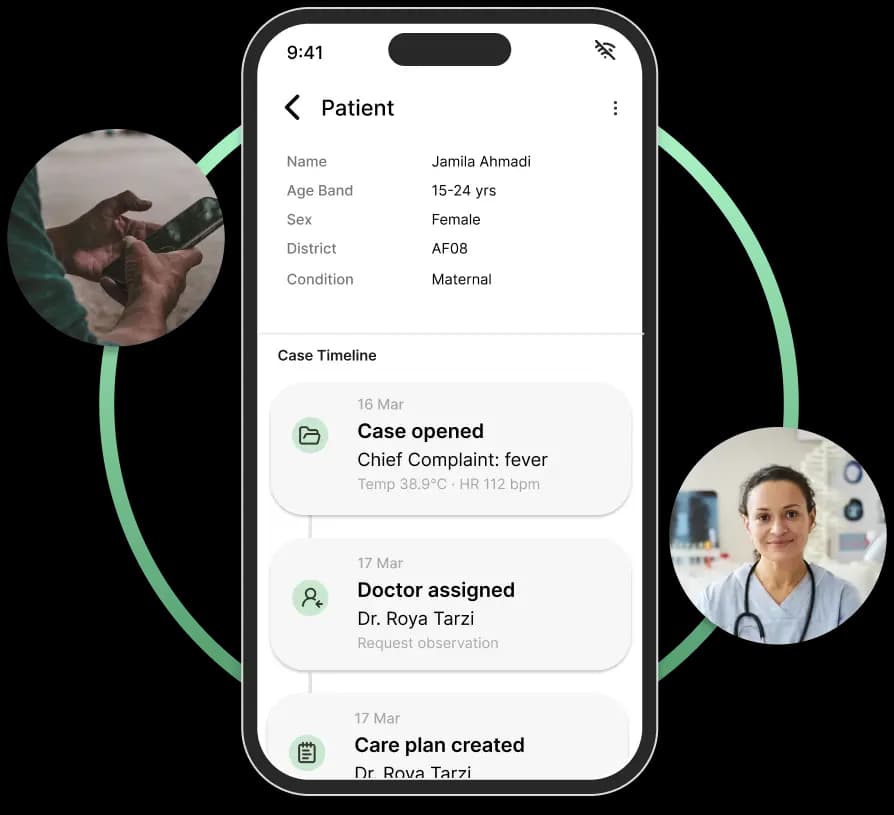
Welnote helps patients, families, care workers, and doctors stay connected when distance, limited connectivity, and fragile health systems make continuous care difficult.
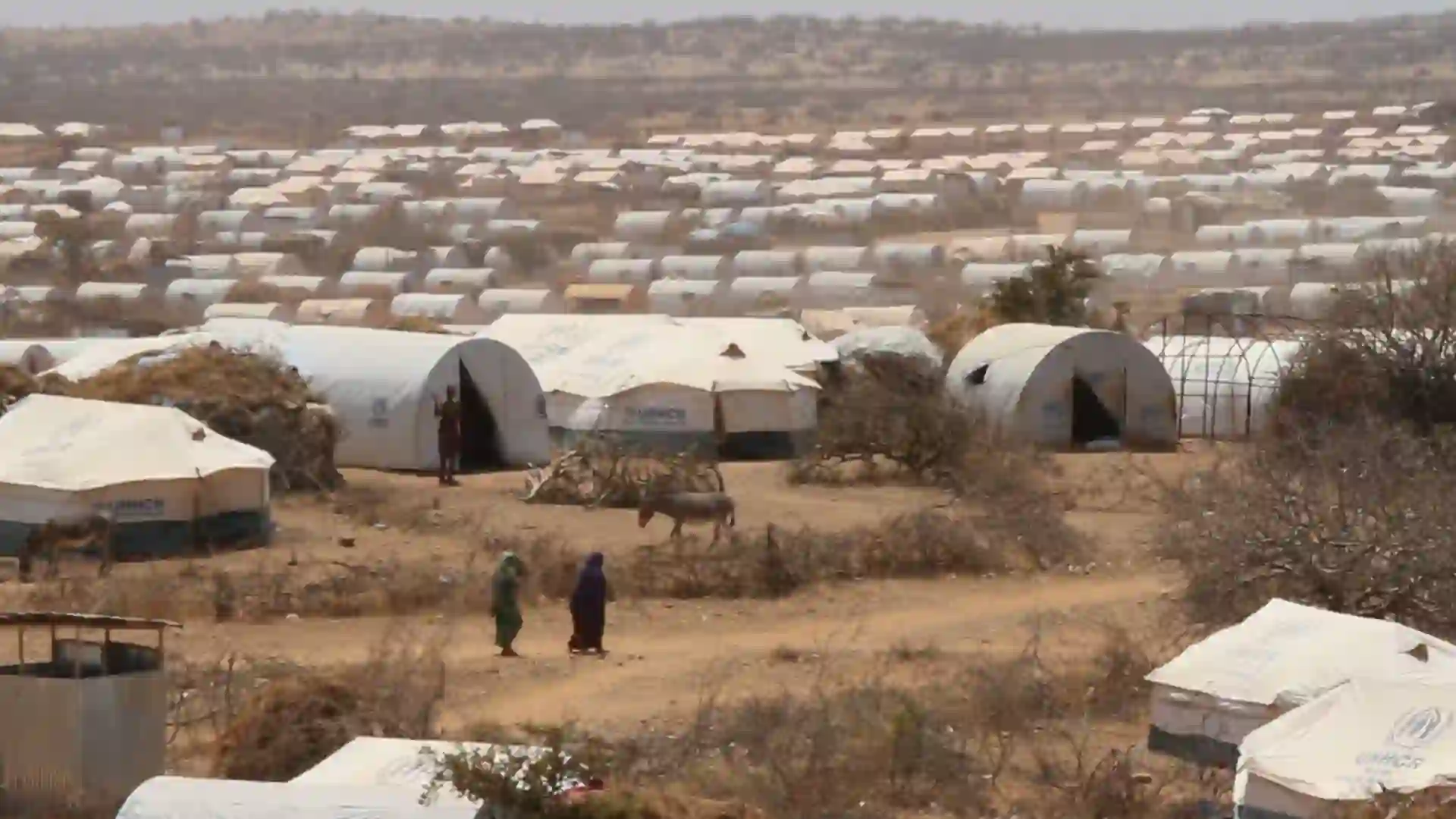
Built for communities where healthcare is difficult to reach.
Most digital health platforms are designed for functioning healthcare systems. Welnote is designed for environments where connectivity, infrastructure, and institutions cannot always be trusted.
The problem runs deeper
When care is interrupted, information is lost or never recorded. People move, clinicians change, and each provider starts from zero—so patients repeat the same story while doctors work with incomplete information. What's missing isn't bandwidth. It's shared memory: a longitudinal view of the patient over time.
Connectivity and infrastructure are only the conditions. The real failure is that care loses its continuity.
When we picture healthcare, we think of ambulances, emergency rooms, and operating rooms. But most health needs arrive long before an emergency—and most never become one. They unfold over months and years, and depend on observation, communication, and continuity.
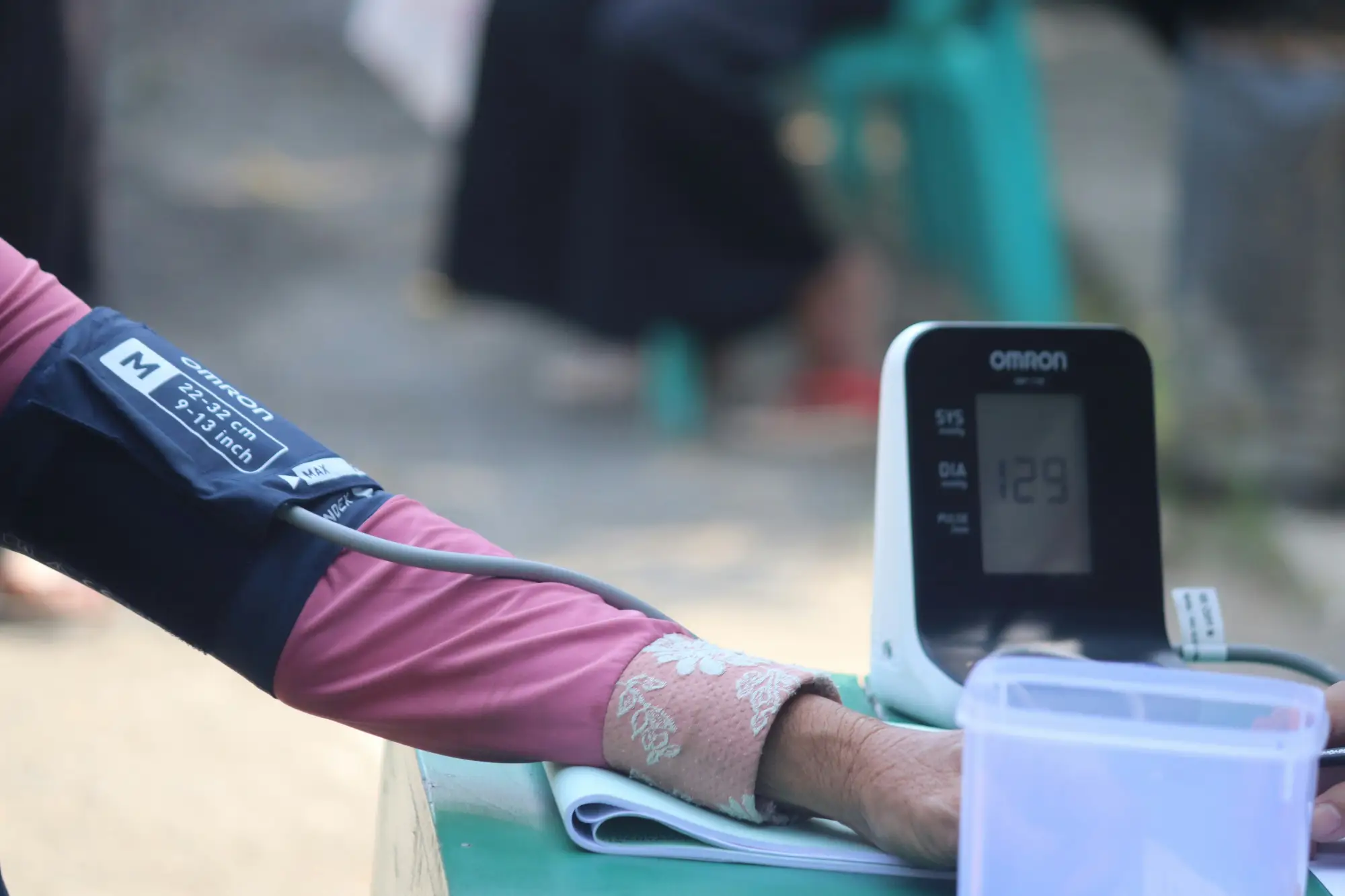
The WHO and World Bank estimate that over 90% of essential health needs—maternal care, chronic disease management, immunization, and rehabilitation—can be met through primary care. Only about 10% require a hospital, surgery, or intensive care.
What continuous care looks like
Most healthcare happens here—in the slow, continuous work of primary care. It's the care Welnote is built for.
Continuity
Primary care is rarely a single visit. A pregnancy is followed for months; a chronic condition, for years; a diagnosis often emerges only over time. It works when each visit builds on the last, instead of starting over.
That carrying-forward is continuity—and it's the first thing to break when systems are fragile. Welnote is built to hold it together.
WN-2024-0042
Adult · F · District 7
15 Mar 2024
Case opened
Acute — Chief complaint: fever
Temp 38.9°C · HR 112 bpm
16 Mar 2024
Care plan created
Oral antibiotics ×7 days
Follow-up scheduled · 23 Mar
23 Mar 2024
Follow-up completed
Fever resolved
Improved15 Oct 2024
Observation added
BP 145/95 — abnormal
Abnormal15 Oct 2024
Risk flag escalated
HIGH_RISK added
Referral to provincial hospital
UrgentEvery contribution lands on one shared timeline—added in the field, reviewed by clinicians, and available even offline.
A case is built around the patient—by the family who notices, the field worker who measures, and the doctor who reviews. These pieces rarely arrive in a fixed order: a question can prompt a new observation, a follow-up can open a fresh concern. Welnote keeps them all on one continuous record.
Concern
Patient & field workerA case begins with what a patient or family notices, not a diagnosis—often just a few words. The patient or a field worker creates a new case—under a pseudonymous ID by default, with a real name optional—and records the symptoms and changes they notice.
“My baby isn’t feeding well.” “My head feels strange, and I can’t sleep.” “My chest hurts when I breathe.”
Observation
Field worker & familyField workers record vitals, symptoms, photos, and audio at the point of care, while families describe the changes they see between visits.
Questions
DoctorA remote doctor opens the record and asks for the specific details they need to reason safely from a distance—often sending it back for more.
Guidance
DoctorWith a clearer picture, the doctor authors a care plan or referral for the field worker to carry out.
Follow-up
Field worker & supervisorThe field worker carries out the plan and records what happens next—which may open a fresh concern. Supervisors track follow-through and outcomes at the program level.
Welnote treats a case not as a form to complete, but as a living record—one that evolves with every observation, question, and follow-up.
A shared record is only useful if it's trustworthy. Welnote keeps it in sync across every device and connection, scopes access to each role, and protects patient identity by default.
01 · Sync
A case travels from the field to a doctor and back, with no one waiting for anyone else to be online.
A field worker records the case on mobile—no signal needed.
When connectivity returns, it uploads automatically.
A doctor reads the full history and writes a plan.
The plan syncs to the field worker's device on the next connection.
The same loop repeats with every follow-up—no double entry, nothing lost.
02 · Access
Access is role-based, so each person sees only what fits their job. At the point of care the same role is shared by the patient, their family, or a local care worker—then doctors review and plan, supervisors track outcomes, and admins manage access.
The same role used by the patient, a family member, or a local care worker to document care at the point of contact—no signal required.
Reviews the full history before responding—on a phone or a laptop.
Tracks program health without opening individual clinical records.
03 · Privacy
Records are encrypted on device, pseudonymous by default, and scoped to each program—with a server-side audit trail for every clinical change.
Patient records on your device are protected with AES-256 encryption. All communication with our servers is secured with TLS.
Every patient is referenced by a pseudonymous ID—no real name on the record unless a program explicitly enables it for the clinicians and field workers who need it.
Each program is its own security boundary: one program cannot see another's data. Every clinical change is logged server-side, so access and edits leave a trace.
Capture in the field, review from anywhere—and trust that every record stays complete and protected.
Care fragments when patients move, providers change, and connectivity drops. Welnote keeps one shared patient record across every encounter—so follow-ups don't stall, referrals don't pile up, and program managers see where districts need support.
Continuity, where care is hardest to reach.
Cases pass between CHWs, districts, and remote clinicians—without a shared timeline, follow-ups stall and history disappears.
Patients move between sites and providers; pseudonymous IDs keep one continuous record without storing real identities.
Visits happen offline in areas with no signal—capture persists locally and syncs to clinical review when connectivity returns.
Antenatal visits and risk flags must carry across months of care—one timeline tracks every scheduled follow-up through delivery.
Recurring episodes and observations need a longitudinal view—not isolated visits scattered across providers.
Fragmented providers, staff turnover, and unstable networks—deploy fast with a shared record that survives site and team changes.
Review incoming cases with the patient's full history in front of you—not a list of disconnected tickets. Write care plans and referrals that sync directly back to field workers, all from your phone.
No facilities, no IT team. Go live in days, not months, and start capturing care in the field on day one. Track follow-up compliance, referral pipelines, and regional performance without touching individual clinical records, and report to donors on data that never identifies a patient.
Fund care that reaches further. Welnote turns support into continuity of care—with measurable, pseudonymous outcomes and data ethics built in from the start.
Running a humanitarian health program or coordinating remote clinical review? Get in touch.